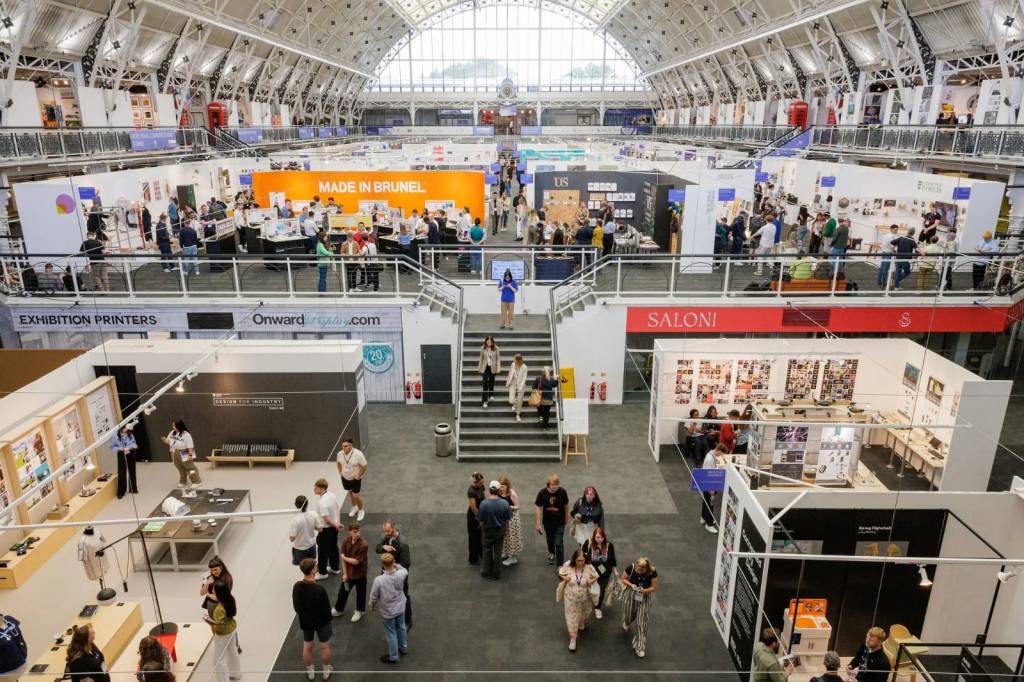
New Designers is a London exhibition that presents graduating talent from UK art, craft and design courses each July at the Business Design Centre. Its value is dual: it must attract public and student audiences seeking inspiration, while also convincing recruiters, sponsors and design brands that the event is a credible pipeline for emerging talent.
This split audience shapes how its digital marketing performs across awareness and engagement. this article focuses on how digital platforms are used to generate awareness and support engagement among audiences, including graduating students, industry professionals and members of the public.
Awareness: strong reach, uneven platform roles
New Designers builds awareness through its website and social channels, but Instagram is the main driver. Posts showcase graduate work, exhibition spaces, awards and key announcements. A consistent visual identity (for example, repeating a unified palette across posts and video) helps audiences recognise the brand quickly and associate it with a polished, reliable exhibition experience.
Shared media further extends reach. During the exhibition period, students and visitors post using #NewDesigners, generating user-created content that circulates through personal networks at minimal cost. This content feels authentic, but it is seasonal: activity peaks around June and July and drops sharply afterwards.
Facebook plays a supporting role, maintaining visibility among users who may not be active on Instagram, yet much of its content mirrors Instagram with limited adaptation. The website functions less as a discovery channel and more as an authoritative information hub once awareness has been created elsewhere. Clear navigation supports audiences who want practical details (dates, tickets, exhibitor information) and also provides credibility signals through partner and sponsor listings.
For B2B awareness, the emphasis shifts from visual appeal to credibility. LinkedIn supports this positioning by highlighting partnerships, sponsors and the event’s role in the creative industries. However, posting frequency appears lower than on Instagram, limiting sustained visibility among professional users.
Engagement: lots of UGC, limited two-way interaction
Engagement is strongest during the live event. Graduate exhibitors are motivated to share because the exhibition supports their professional identity, and visitors share discoveries and experiences. Collectively, this user-generated content creates social proof and helps shape the event narrative.
Yet the organisation’s interaction with that content appears inconsistent. If the official account does not regularly re-share tagged posts or respond, engagement remains largely one-way. A more active approach—reposting highlights, commenting, and acknowledging exhibitors—could strengthen connection and encourage repeat engagement.
Audience needs also differ. Public audiences often engage for enjoyment and inspiration, which Instagram delivers well through visually rich content. Industry audiences are more task-oriented: they want easy access to portfolios, contact routes and clear pathways to recruitment. The website supports these needs through exhibitor listings and project details, but engagement is mostly passive because the journey is informational rather than interactive.
The biggest constraint is seasonality. Digital activity spikes around the exhibition and fades for much of the year, creating a missed opportunity to maintain relationships after the event. Year-round storytelling—alumni updates, “where are they now” features, and curated talent spotlights—could convert a short peak into an ongoing community.
Recommendations: balance B2C and B2B communication
New Designers’ key strength is a visually coherent brand and high audience participation during the exhibition period. The main weakness is uneven effort across platforms and audience groups: Instagram dominates, while LinkedIn and Facebook are used less strategically. To strengthen overall performance:
- Make LinkedIn more purposeful. Share recruiter-relevant content such as talent highlights by discipline, sponsor activations, and examples of successful connections made through the event. Higher frequency and clearer “why it matters to recruiters” framing would improve B2B reach.
- Support Instagram’s hashtag culture with light-touch prompts. Calls-to-action like “tag us to be featured” or weekly roundups can increase participation and give the organisation more opportunities to re-share and respond, turning UGC into dialogue.
- Expand the website from information to proof of value. Add concise case studies and partner-focused evidence—collaboration stories, award outcomes, recruiter testimonials—to help professional audiences move from interest to action beyond the exhibition window.
New Designers is effective at building awareness and stimulating participation, particularly through Instagram and event-period user-generated content. Its next opportunity is to strengthen year-round engagement and professional communication through a more balanced platform strategy and more active interaction, evolving from a well-promoted annual showcase into an ongoing digital talent platform.
About the Author
Chengji Fang is a MA Cultural Events Management student at De Montfort University (DMU). With a background in jewellery design studied at Birmingham City University’s School of Jewellery, Chengji explores how craft heritage and contemporary creative practice can be translated into engaging cultural events and audience experiences.
(Feature image is from New Designers’ official website)


Leave a Reply